With advantages in traditional global exports and manufacturing, China is transitioning to innovation-driven advanced manufacturing, and domestic consumption will gradually become the driving force for the country's economic growth, said Joe Ngai, senior partner and chairman of McKinsey & Co Greater China office.
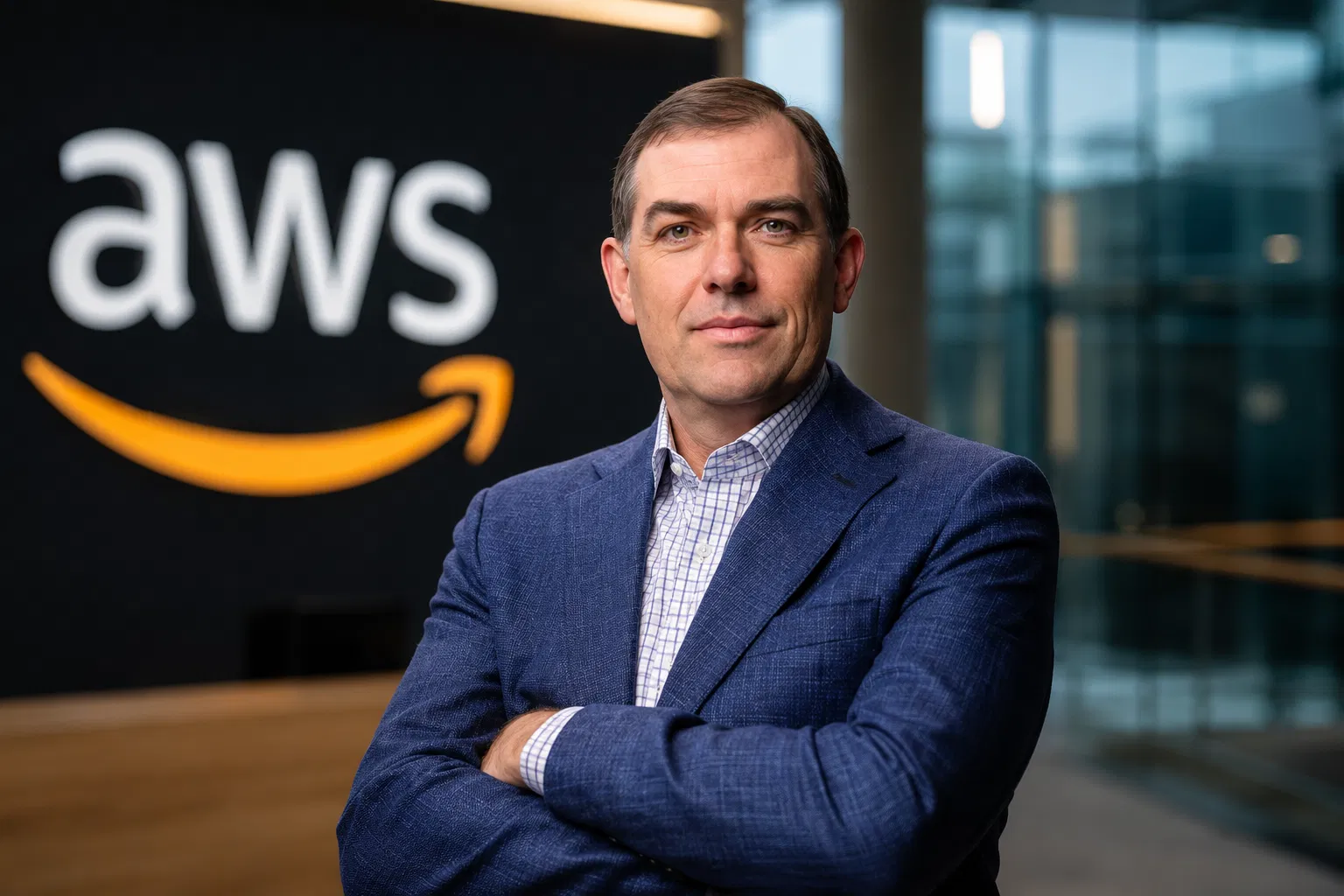
As concerns grow over AI's impact on entry-level jobs, AWS CEO Matt Garman says Amazon continues to invest in early-career talent, insisting the technology will transform jobs rather than eliminate them.
BUREAU of Immigration authorities intercepted another suspected victim of illegal recruitment, highlighting the growing use of social media platforms by recruiters offering lucrative but questionable overseas jobs.
There are growing concerns about the future of Arkane Studios, the team behind Prey and Dishonored, as reports suggest the studio could face closure as part of…
Here’s a headline you probably haven’t seen, even though it will have more impact on your life (and your children’s lives) than anything coming out of the Middle East: By the time millennials hit retirement age, the typical home in this country will cost $1 million. That will be the median price of a home — not just new homes, but any home — by 2050. Put another way, if you have a child today, by the time your child is looking for a place to live, they’d better have $200,000 saved up for a down payment. And for the rest of their lives, in all likelihood, they’ll be paying off a debt that’s completely insurmountable. This isn’t a projection from some crackpot looking for attention. It’s coming from one of the top housing economists in the nation: “Essentially, in about 25 years the national median home price will be a million dollars,” Lawrence Yun, chief economist at the National Association of Realtors, said at a conference in Washington, DC, on Tuesday. “It may be hard to envision that, but back in 1990, the national median price was $90,000.” Yun noted that even San Francisco, considered an exorbitantly priced real estate market at the time, had a median price of only $250,000 in 1990. For comparison, as of right now, the national median sales price for existing homes is roughly $430,000. So as high as housing prices are right now, you can expect them to be much higher — more than double — in just a couple of decades. This economist “used multiple scenarios to project home prices out into the future, and says each scenario pointed to roughly the same timeline to hit $1 million: about 25 years.” To be clear, although the economist determined that we’d hit $1 million as part of ordinary appreciation in home prices, inflation isn’t the only factor here. Inflation alone won’t get us to this figure. And there’s reason to believe that typical home prices will actually exceed $1 million by 2050, by a lot. But first, I want to discuss the story of 31-year-old Micah Longmire. This is a true story. I found the details in a small online-only paper called The Missoula Current. According to the paper, Micah earns a salary of $200,000 a year. That’s a high salary by any measure — more than double the median household income in this country. The average lawyer in this country doesn’t make $200,000. So you might think Micah is doing pretty well, all things considered. But after looking all over the country for more than two years, Micah and his wife determined that they couldn’t afford to buy a home on their own — at least not without taking on a mortgage they weren’t sure they could afford. Yes, even though his salary puts him in the top 10% of American incomes, he wasn’t able to lock down a home despite looking for two years in a variety of markets.In the end, Micah’s solution was to pool some money together with his wife’s parents and, together, they bought a 3,500-square-foot, $600,000 home in Chattanooga, Tennessee, for the entire family. Micah now lives with the in-laws. And as he put it, “I make $200,000 and I wouldn’t have been able to buy a house by myself. That’s ridiculous.” Now you can take issue with the idea that Micah truly couldn’t afford a home. Many of you probably purchased a home with an income lower than $200,000. And you might think that he could’ve picked a smaller house, in a different area, and everything would’ve been fine. But before I address that objection, I need to make the point that Micah’s story is not unusual. Just a couple of days ago, Fitch — one of the big three global credit rating agencies — downgraded the U.S. homebuilding sector from “neutral” to “deteriorating” because people aren’t buying homes anymore. 30-year mortgage rates are over 6%. Consumer sentiment — meaning, how pessimistic people are about their finances — is at a record low. Going back to the 1950s — even through the 2008 financial crisis — the surveys of consumer sentiment weren’t as dire as they are right now. So while it may be the case that people like Micah could theoretically purchase a home if they were willing to make more compromises, the fact remains that they aren’t doing that. And we need to figure out why. I’m not cherry-picking anecdotes or statistics here. Every possible indicator is sending the same signal. Here’s another one: Real-estate agents are quitting in droves. This is data from the National Association of Realtors. It shows the number of members in the realtors’ association (light blue) and the number of existing homes for sale (darker line). From 2012 to 2022, membership in the association grew every single year. Now it’s declining steadily. The association of realtors now has just 1.4 million members, compared to 1.6 million in October 2022. And as the chart shows, for most of this century, there have been far more homes for sale than realtors. The ratio was healthy. But that hasn’t been the case for several years now. Realtors are competing over a very small number of homes. And on top of that, a recent legal settlement means that realtors have to disclose their fee upfront, which is leading many home buyers to handle the process themselves. To give you an idea of how quickly the housing market has become unaffordable, take a look at this chart from the Wall Street Journal the other day. They’re getting their data from the Intercontinental Exchange, Angi, and the Labor Department. If you’re buying a home now, as opposed to 2019, then on average you’re paying 22% more in principal, 35% more in interest, 31% more in property tax, 72% more in insurance, 85% more in home maintenance, and 175% more in emergency repairs. Your total annual bill is 40% higher than it would’ve been just six years ago. If you’re the average American, your annual expenditure on housing went from $20,600 to $28,500. The Journal reported: Sales of previously owned homes have held around 4 million a year since 2023, the lowest level in decades and down from a pre-pandemic norm of between 5 million and 5.5 million a year, according to the National Association of Realtors. That means fewer prospective buyers are accessing homeownership. … And many of those who are buying homes are stretching their budgets to do so. Those new homeowners are vulnerable to falling behind on payments if their incomes drop or they face unexpected jumps in homeownership costs. .. A buyer with a $2,500 monthly budget and a 20% down payment can afford to buy a $517,500 home at a 3% mortgage rate, according to real-estate brokerage Redfin. At today’s rate around 6.5%, that same buyer can only afford a $384,000 home. Even though rates have climbed, typical home values remain near record highs, according to Zillow, confusing many buyers who have been waiting for prices to fall. That last part is important. Normally, when interest rates go up, you expect home values to go down. You’re paying more for interest over time, so you expect that your upfront costs will be lower. This is normally how things work, and it makes a lot of sense. But in practice, it’s just not happening anymore. In most markets, there’s nothing to offset the high interest rates. The homes have higher list prices and higher costs over time. It’s a lose-lose. One of the reasons that the conventional wisdom doesn’t apply anymore is that no one wants to sell their home. And why would they? In many cases, they locked in an extremely low interest rate during the pandemic. And as we’ve already discussed, they can expect a very large return on their investment in the coming decades. But even after several decades, they won’t want to sell, because their children will need somewhere to live. If the median home is going for $1 million, then many more homes are going to remain in the family. But what if I told you this is an incomplete picture of what’s going on? And in fact, there was plenty of affordable housing in America. Here’s an experiment: take a look at this $700,000 home in San Francisco, California, one of the most desirable and expensive housing markets in the country. It underscores just how bad things are out there:It’s a 1200-square-foot dump. The listing calls it a “diamond in the rough” with “immense potential,” which is always a good sign. When you’re spending $700,000 on a home, that’s exactly what you want — “immense potential.” We’ve all come to accept this kind of price disparity because of the principle of supply and demand. So we don’t think about it. But here’s what you can get for the same price in Detroit, Michigan — a far less desirable or expensive housing market than San Francisco. $700,000 in the Midwest gets you basically a castle: It’s 5,300 square feet, with five bedrooms and a wood-paneled library. It’s centrally located. Fifteen minutes to downtown. Twenty minutes to the airport. A home that would be at least $2 million in Nashville, New York, or Los Angeles, or even in suburban Detroit. Now $700,000 certainly isn’t cheap, but that’s not the point. The reality is that real estate markets are hyper-local, and there are pockets of affordability out there. You can still buy nice, livable $250,000 homes in many rural areas or small cities like Toledo, Ohio. So what’s really going on with housing? This is the first big issue with housing: everyone wants to live in the same places, which is driving prices in those places up astronomically. San Francisco, New York, Boston, and Nashville are boom towns. Detroit, Fort Wayne, and Gary aren’t. Though — to be fair — this is starting to change, and the Midwest is posting its first net-migration gains in decades, driven largely by relative affordability compared to the coasts. One factor driving this is jobs. San Francisco is the tech capital of the world. They have a lot more jobs out there. But that’s still kicking the can down the road. It’s not addressing the fundamental issue, which is that something caused cities like Detroit to become undesirable investment opportunities for job creators. Yes, the auto industry took a major hit. That’s the default explanation for what’s happened here. But plenty of industries in San Francisco have died since the 1960s as well. San Francisco used to be a manufacturing powerhouse. There was a major shipbuilding presence in the city. They also refined a lot of chemicals. Not anymore. It’s moved across the Bay. So in many historical respects, San Francisco and Detroit are more similar than they appear. But over the past half-century, one city managed to attract job seekers and investment, while the other died out. This brings us to the second reason housing is out of control. Urban crime has made many cities unlivable, which has led millions of people to rule out some of the prime real estate in the country. If you look at the demographics, the distinction between the two cities is hard to miss. San Francisco is around 5% black. Detroit is closer to 80% black. And as you’d expect, based on the statistics, Detroit has three times the violent crime rate of San Francisco. Could that be why no one wants to live there? In school, you’re taught that the causation works the other way — that these cities are violent because they’ve been abandoned and forsaken by everyone else. But maybe it’s the opposite — maybe these cities have been abandoned and forsaken precisely because they’re violent and dysfunctional. And maybe, if we address the violence and the dysfunction, then virtually overnight we can have infinitely more housing stock than we do right now. You never hear about cleaning up the streets — going full “Citizen Vigilante” on criminals — expressed as a housing policy. But that’s exactly what it is. It’s the single most straightforward way to address a problem that we all know exists. Detroit’s an interesting case study on this. Since the city’s bankruptcy in 2013, a consortium of billionaires has revitalized the downtown, which is now a thriving commercial district. They did this in conjunction with the city and state, which started aggressively policing the area, and by encouraging downtown businesses to hire private security. As the downtown and surrounding areas became safer, people started moving back into the city. If those trends continue, hundreds of thousands of vacant homes in Detroit could come back online. But despite those successes, no one is supposed to even float the idea of fixing the cities. Instead, the universal message is that we just have to accept the way they are. Ed Sheeran went on Theo Von’s podcast to talk about how London is “sketchy” and dangerous now. And instead of suggesting that the government fix the problem, he says the solution is to make sure you’re not carrying anything that criminals might want to steal. Watch:Ed Sheeran: Every single area of London is sketchy.Nice neighborhoods, bad ones, doesn’t matter. Just don’t walk around with a Louis Vuitton bag and a £200k watch.Theo Von: “But y’all’s robberies always have clues though.”Ed: “I love that you think of England like it’s a… pic.twitter.com/fvHgkzzyTV— Camus (@newstart_2024) June 21, 2026 That’s got to be one of the most relatable pieces of advice ever dispensed by a celebrity. “If you wander around with a Louis Vuitton and a $200,000 watch, you are going to get robbed. Just don’t do that.” Of course, when he’s spending time in his $27 million mansion in London, or driving through the city in an armored SUV, or walking around with armed bodyguards, Ed Sheeran probably isn’t taking his own advice. He has no reason to. But for everyone else — for people who can’t spend millions of dollars on a home — the message is that you’re responsible if you get robbed, assaulted, and murdered. It’s not the fault of the criminals. They didn’t do anything wrong. You’re the one who should suffer because you made yourself a target by existing. You have two options: Get robbed and shot, or do what everyone else is doing, and move far away to a coastal enclave, or a pocket of the South or the Mountain West. And naturally, if you do what everyone else is doing, you’re going to pay a lot more. That some of the most desirable areas of the country have been made undesirable because of post-Civil Rights Movement realities — is compounding the first issue — that millions of people want to live in the same small number of places. But there’s a third factor in all of this, which is commonly overlooked: illegal immigration driving demand for new homes. If it’s true that 20 million illegal immigrants or more arrived here during the Biden administration, then they had to live somewhere. And in fact, James Carter, a former deputy assistant Treasury secretary, wrote an op-ed a couple of days ago in which he spelled out the extent to which illegal aliens have caused housing prices to increase so much over the past few years: For much of the 2010s, pay in lower-skill occupations lagged behind while professional salaries pulled away. As immigration enforcement has increased, that gap has narrowed. Take construction, which relies heavily on immigrant labor. Wages in the sector grew at roughly 2.5% annually between 2010 and 2017. Now BLS data shows construction wages growing at 3.1% through the first quarter of 2026—above the sector’s pre-enforcement baseline, even as broader private-sector wage growth cooled to 3.4%. … A recent Federal Reserve working paper finds that unauthorized immigration accounted for roughly 30% of house-price growth and 20% of rent growth in the average metro area between 2021 and 2024. I’ll say that last part again: Illegal aliens caused 30% of the increase in housing prices that we’ve seen in recent years. So at the same time that illegal aliens were competing for American jobs, they were causing a massive spike in housing costs across the board. I had to double-check the statistic because, even with the knowledge that Joe Biden’s administration imported tens of millions of illegal aliens, it still seems very high. And indeed, this is from a recent paper published by the Federal Reserve Bank of Dallas:We find that during the boom period an increase in unauthorized immigrant worker flows equal to 1% of a local area’s initial employment increased local house prices by 2.2% and increased local rents by 1.4%. The impact on rents is slightly smaller for single-family units and slightly larger for multi-family units. …. A back-of-the-envelope calculation suggests that unauthorized immigrant worker flows can explain about 30% of the total growth in house prices and 20% of total growth in rents over the boom period for the average local market. This is one of the main reasons it’s getting harder and harder to live in a country that resembles the one Gen X or millennials grew up in. The degree to which foreigners have reshaped this country and all of the West is truly staggering to comprehend. Take a moment now to look at all 3 factors leading to the rise in housing costs that we’ve addressed: First, that people only want to live in a few places. Second, urban crime makes many prime locations unlivable. Third, immigration has the dual issue of causing more pressure on our strapped housing market while also reducing the number of desirable areas to live. What you have between these three factors is a perfect storm. But they’re not all. A fourth reason for skyrocketing housing costs is terrible public policy. Government regulations and codes are making it more expensive to build new housing supply, particularly in places like coastal California. Places that have developed huge amounts of housing in the past decade — like Austin, Texas — have seen rents stabilize or even decline. Anti-growth places like Boston and San Francisco, where it’s basically impossible to build anything, have seen prices skyrocket. The U.S. population in 1990 was about 250 million people. Today it’s about 350 million people, a 40% increase. In 1990, San Francisco had 328,000 housing units. Today, it has only 415,000, a 25% increase. The rise of NIMBYs in places like San Francisco and the counties around it is making it impossible to deal with the demand surge from a constantly growing population. At this point, you’re probably thinking — what about places where you can build, places where there isn’t urban crime, and places without a lot of immigration? Why are places like Northern Michigan or Stowe, Vermont, or coastal Maine also getting so expensive? Well, this is related to the previous points: people want to live in places that resemble 1950s America. Go to Vermont, coastal Maine, or Northern Michigan, and you can find that. And there’s a huge trend of people fleeing diversity to those areas. But there’s also a very important and overlooked fifth reason for rising homeownership costs: inflation. The government has doubled the amount of money in circulation during COVID, meaning the value of the dollar is declining, which in turn inflates the dollar cost of homes. This is one of the consequences of being $40 trillion in debt — our leaders will seek to inflate away the currency as a roundabout way of reducing the country’s financial obligations. Inflation is a hidden tax that’s behind so many of the aforementioned price increases: a dollar in decline means home prices rising, even if the inherent value isn’t rising with it. It makes repair and replacement costs higher, which drives higher insurance costs. It also makes it more expensive to provide city services, which means your taxes need to go up. A lot of the rise in housing prices is really just a decline in the dollar. Which is why it’s a bigger and bigger issue that young people can’t afford homes: one of the best defenses against inflation is long-term debt backed up by an asset that rises with inflation. These five explanations for rising housing costs go a long way in explaining why we’re in the situation we’re in. And unless they change, predictions that the average house will be $1,000,000 by 2050 are likely to underestimate the situation. The problem is that solving these problems isn’t politically practical. And for that, we can thank the most selfish generation in American history: the Baby Boomers. Boomers today control over 40% of the national real estate wealth, and about a quarter of them own a second home or vacation property. One Northwestern Mutual survey found that fewer than a quarter plan to leave an inheritance to future generations. A Charles Schwab survey of high-net-worth Americans found that, for nearly half of Baby Boomers, their priority is to “enjoy my money for myself while I’m still alive.” It’s impossible to overstate just how historically bizarre and evil this attitude is. For all of human history, the thing that animated the older generations was a desire to pass down a legacy to their children and grandchildren. This is still the norm outside of the Boomers. That same survey found that wealthy millennials were less likely to list “enjoying my money for myself” as their priority. They had a greater desire to see their own kids inherit their wealth. So the Boomers are, in this way, an aberration. Their total lack of interest in passing wealth and legacy to their children is unique, creating unique problems that their children and grandchildren have to deal with. It’s not useful or helpful to sit around stewing in resentment against other generations. But the fact is that, economically, the Boomers did have it considerably easier than their children have it. When they started entering the housing market in the late 1960s, the dollar was still pegged to the gold standard. The immigration laws that transformed the country had only just passed. The cities were mostly still livable (but in steep, swift decline — because of laws supported by Boomers), and it was easy to build new housing in suburbs, which were hardly regulated. Boomer NIMBYs hadn’t made it impossible to build in coastal California. Owning a home was the American dream, and it was an attainable one. Now that they’ve secured their dominant position in the American real estate market, Boomers have done everything possible to make sure housing stays unaffordable. Doing anything that might reduce the value of their housing is politically untenable, something President Donald Trump has said out loud. Watch: President Donald Trump said during a Cabinet meeting on Thursday that he wants to “drive housing prices up.”“Existing housing, people who own their homes, we’re going to keep them wealthy. We’re going to keep those prices up,” Trump said.Trump made his comments following… pic.twitter.com/KBe8wo7Myq— PBS News (@NewsHour) January 29, 2026 So if you’re a young person who wants a home, just know that there’s a reason it’s so bad out there: it’s because the number of desirable places is rapidly declining, lots of prime real estate is taken up by the worst and most violent people in the country, the government is deliberately destroying the value of the dollar while also importing millions of people and making it impossible to build anything new. Now, as a result, the choice is binary and unavoidable: We can either doom future generations to a market that consists entirely of one-million-dollar homes, or we can make the decision — as unthinkable as it may be to someone like Ed Sheeran — to become a lot less tolerant.
Indian markets are set for a positive open on June 22, 2026, with GIFT Nifty trading 65 points higher at 24,154, signalling recovery after Friday's Sensex crash of 607 points driven by heavy selling in IT heavyweights including Infosys and TCS. The five stocks below, Sun Pharma, ONGC, Tata Motors, Voltas, and Tech Mahindra, each carry specific corporate triggers that give traders and investors a clear basis to act, not just watch. KEY TAKEAWAYS GIFT Nifty at 24,154, up 65 points (+0.27%), signals a positive open for June 23 after Friday's 607-point Sensex fall, led by IT stocks. Sun Pharma acquires Innovcare Lifesciences for ₹271.2 crore in an all-cash deal closing by July 31, 2026. ONGC's FY26 consolidated net profit rose 30% to ₹49,793 crore; Chairman targets 7–8% annual gas production growth backed by ₹33,000 crore offshore capex. Tata Motors bags 3,400+ eCV orders, 2,000 SCVs, 900 trucks, and 500 buses across cement, steel, mining, and logistics. Voltas crosses 1 million AC sales in Q1 FY27 in record time, holding ~18.5% market share (company filing, Q3 FY26). Tech Mahindra locks in 3.97 lakh sq ft at Hyderabad's Aparna Technopolis under a 10-year, ₹410.93 crore lease starting September 2026. Nifty support at 23,900; resistance at 24,200–24,250; June monsoon 38% below normal (IMD), adding macro overhang. Market Snapshot: Where Nifty Stands Heading Into Monday On June 19, the Sensex fell 607.08 points to close at 76,802.90, as heavy selling in IT heavyweights dragged the benchmark lower. Market sentiment remained broadly negative, with HDFC Bank, Infosys, Reliance Industries, TCS, and Mahindra & Mahindra among the top laggards. Bharti Airtel, Eternal, and ICICI Bank offered limited support. Nifty's near-term technical outlook remains constructively bullish. A sustained move above 24,200 could strengthen upward momentum toward 24,400, while the 24,000 mark serves as a crucial support level. A break below 24,000 may trigger profit booking toward the 23,900–23,800 support zone. India VIX settled at 12.97 after rising 2.3% on Friday, elevated but not yet at stress levels that historically precede sharp corrections. Market Indicator Level / Reading Signal GIFT Nifty (June 23 pre-open) 24,154 (+65 pts, +0.27%) Positive open expected Sensex Close (June 19) 76,802.90 (−607 pts) Prior session weakness India VIX 12.97 (+2.3%) Mild caution Nifty Support 23,900 Key positional floor Nifty Resistance 24,200–24,250 Immediate ceiling S&P 500 Futures −0.4% Soft global backdrop June Monsoon Deficit 38% below normal (IMD) Food inflation risk USD/INR Largely stable FII debt inflows supportive Stocks in Focus—What's Moving and Why Company Key Development Trigger Type Sun Pharma Acquires Innovcare Lifesciences for ₹271.2 crore all-cash M&A / Portfolio Expansion ONGC Repositioning as "gas-and-oil" firm; 7–8% gas growth target Strategic Pivot Tata Motors 3,400+ eCV orders across freight, logistics, passenger Order Win Voltas 1 million AC sales in Q1 FY27 in record time Volume Milestone Tech Mahindra 3.97 lakh sq ft Hyderabad lease, ₹410.93 crore over 10 years Real Estate Expansion Sun Pharma: ₹271 Crore Bet on Consumer Health Sun Pharmaceutical Industries has signed an agreement to acquire the entire shareholding of Mumbai-based Innovcare Lifesciences Private Ltd for approximately ₹271.2 crore in an all-cash deal. The transaction is expected to be completed on or before July 31, 2026. Sun Pharma described the purchase as a strategic investment intended to strengthen its product portfolio. Founded in July 2014, Innovcare is engaged in marketing, distribution and sale of pharmaceutical drugs, nutraceutical products and cosmeceutical offerings, with its business focused entirely on the Indian market. The revenue trajectory is what makes the price interesting: Innovcare Revenue (₹ Crore) FY24 FY25 FY26 Revenue from Operations 80.93 86.09 94.06 YoY Growth — 6.4% 9.3% At ₹271.2 crore for a business doing ₹94 crore in annual revenue, Sun Pharma is paying roughly 2.9x sales — a premium justified by brand equity and distribution access in nutraceuticals and cosmeceuticals rather than current earnings. Separately, Sun Pharma reported a net profit of ₹2,714 crore for Q4 FY26, up 26% year-on-year, with revenue rising 12.8% to ₹14,612 crore. EBITDA margin stood at 27.1%, down from 28.7% in the corresponding period last year. The Innovcare deal runs alongside Sun Pharma's far larger $11.75 billion Organon acquisition, expected to close in early 2027, subject to regulatory approvals and Organon stockholder approval, with SBI among global lenders expected to commit up to $1 billion in financing. The margin compression from integrating two acquisitions simultaneously is the key risk to track in H2 FY27. ONGC: When an Oil Company Stops Calling Itself an Oil Company ONGC Chairman Arun Kumar Singh told analysts that gas is now "slightly more than oil" in the company's portfolio, declaring ONGC should be called a "gas-and-oil company, not an oil-and-gas company." Gas output has already crossed crude volumes, and future growth will be driven largely by gas production even as crude output remains broadly flat without major new discoveries. This is not just branding. The numbers back it up. ONGC's FY26 consolidated net profit rose 30% to ₹49,793 crore, with revenue from operations at ₹6.62 lakh crore. New well gas, from recently drilled wells priced at 12% of prevailing crude prices, constitutes 17% of production and 21% of revenue from ONGC's nomination gas portfolio in FY26, generating ₹6,678 crore in revenue and delivering an additional ₹1,223 crore versus APM gas pricing. ONGC Key Metrics FY26 Consolidated Net Profit ₹49,793 crore (+30% YoY) Revenue from Operations ₹6.62 lakh crore New Well Gas (% of revenue) 21% of nomination gas portfolio New Well Gas Revenue ₹6,678 crore Offshore Capex Under Execution ₹33,000 crore Annual Gas Production Growth Target 7–8% Reserve Replacement Ratio (FY26) >1.1x ONGC Green Renewable Target ~3 GW (next year) New well gas's share of total volumes is expected to climb from 20% currently to 25–30% this year, rising further as more wells come online. At crude prices of around $90 per barrel, new well gas realises nearly $10.8 per million British thermal unit in the domestic market. The risk: older mature fields are naturally seeing production declines, meaning ONGC must successfully execute new projects just to maintain current output before achieving net growth. Tata Motors: 3,400 eCV Orders — and Why Freight Matters More Than Buses Tata Motors has secured orders for over 3,400 electric commercial vehicles across freight, logistics, and passenger mobility segments. The order book comprises around 2,000 small commercial vehicles and pick-ups, 900 trucks, and 500 buses, spanning applications from e-commerce, logistics, FMCG and FMCD distribution, and intra-city mobility to demanding sectors like cement, steel, mining, and tarmac operations. Segment Orders Key Applications Small Commercial Vehicles & Pick-ups ~2,000 E-commerce, last-mile, FMCG delivery Electric Trucks ~900 Cement, steel, mining, inter-city freight Electric Buses ~500 Intra-city and inter-city passenger Total 3,400+ Tata Motors already operates over 17,000 electric SCVs and 3,800 electric buses across India, with the cumulative fleet covering over 55 crore kilometres. The more consequential story is in freight. Commercial vehicles are a crucial test for electrification because they run longer routes, carry heavier loads and face tighter uptime expectations than private vehicles. The wider spread into trucks and other fleet categories is more consequential because freight and last-mile logistics are harder to electrify and have a direct bearing on operating costs for businesses. On margins: Tata Motors Passenger Vehicles Ltd said EV economics are steadily improving and could eventually reach ICE parity as battery and EV-system costs continue to decline. The India passenger vehicle business reported EBITDA of ₹4,035 crore for FY26, with EBITDA margin improving to 6.9% from 4.9% a year ago. Commercial EV margins remain thinner than passenger EVs for now — the 3,400 order book signals volume intent; margin progression will determine whether the numbers follow. Voltas: 1 Million ACs, 18.5% Market Share, and Summer Isn't Over Voltas said its air-conditioner sales for FY27 crossed the 1 million mark in record time, reinforcing its leadership in the Indian room air-conditioner market, which it attributed to strong consumer demand, an expanded distribution network and marketing initiatives. In early 2026, Voltas solidified its market leadership with an 18.5% share in the AC segment. Its nearest competitors, LG at approximately 18% and Daikin at 15–17%, are closing the gap, but Voltas' distribution depth remains the structural advantage. India Room AC Market Share (Early 2026) Share Voltas ~18.5% LG ~18% Daikin ~15–17% Blue Star 14.3% Samsung ~10% Panasonic ~6–7% Source: Company filings, industry trackers (Q3 FY26 data) The AC industry has already faced multiple price hikes after new BEE energy labelling norms were implemented from January 1, 2026, with a second round driven by rising copper, plastic, and ocean freight costs as well as rupee depreciation against the US dollar. Voltas crossing 1 million units despite back-to-back price increases is the number that matters for investors. Voltas Managing Director Mukundan Menon said, "Summer is still on, and so is India's trust in Voltas. Demand continues to remain encouraging across markets." The company is targeting ~20% market share by the end of 2026, per its MD's February 2026 guidance. Tech Mahindra: ₹410 Crore Hyderabad Lease Is a Statement About Workforce Tech Mahindra has leased approximately 3.97 lakh sq ft of office space across the 12th to 15th floors of Blocks A and B at Aparna Technopolis in Hyderabad's Kondapur area under a 10-year lease agreement registered on June 11, 2026. The tenancy commences September 10, 2026, and runs through December 9, 2035. The initial monthly rent is ₹3.06 crore, approximately ₹77 per sq ft per month, with the lease generating roughly ₹410.93 crore in total rental payments over the tenure. A 15% rent escalation clause kicks in every three years. The security deposit is ₹18.36 crore, and Tech Mahindra will receive 400 dedicated car parking spaces with a warm-shell fit-out option. Tech Mahindra Hyderabad Lease — Key Terms Detail Location Aparna Technopolis, Kondapur Area 3.97 lakh sq ft (floors 12–15, Blocks A & B) Lease Duration 10 years (Sept 10, 2026 – Dec 9, 2035) Monthly Rent ₹3.06 crore (~₹77/sq ft/month) Total Lease Value ₹410.93 crore Rent Escalation 15% every 3 years Security Deposit ₹18.36 crore Parking 400 dedicated spaces Hyderabad's gross leasing activity crossed 3.15 million sq ft in Q1 2026, driven largely by large-format transactions. Technology firms led leasing activity during the quarter, with GCCs also continuing to expand. For Tech Mahindra, a decade-long commitment at this scale is a clear workforce-expansion signal, not a consolidation move. Global & Macro Signals: Oil and Monsoon Are the Two Risks Most share markets slipped in Asia on Monday as doubts about the Middle East peace process sent oil prices and bond yields higher. S&P 500 futures fell 0.4% and Euro Stoxx 50 futures fell 0.5%, while Japan's Topix rose 0.7%. Oil prices rose on Monday after fresh uncertainty over the Strait of Hormuz. Iran's military declared the strait "closed" on June 20, citing Israeli strikes in Lebanon as a breach of the US-Iran MoU, but the claim was immediately contested by Iran's own foreign ministry, which said shipping was "operating normally," and by US Vice President JD Vance, who said "the straits really are open." US CENTCOM stated that "commercial ship traffic in the Strait of Hormuz increased June 20 as US forces continued operating in the general area to support freedom of navigation." Physical transit data as of June 22 remains ambiguous, IMF PortWatch recorded 0 transits against a pre-crisis baseline of 94 per day, while Brent crude priced in the uncertainty at $81.72, up 1.4% over 24 hours, with 515 vessels anchored or stopped across the region. Rising crude is a direct input-cost risk for India, with every $10/barrel increase adding approximately $12–15 billion to the annual import bill. Separately, cumulative June rainfall is tracking 38% below normal amid El Niño conditions (IMD data). A prolonged deficit raises risks for kharif sowing, food price inflation, and rural consumer demand; sectors including FMCG, two-wheelers, and agri-inputs would feel the pressure earliest if the deficit widens through July. Bottom Line Monday's session opens with GIFT Nifty at 24,154, a 65-point positive gap, and five clear corporate catalysts to trade around. The index faces its first hard test at 24,200–24,250. The next scheduled IMD monsoon update and any escalation in US-Iran Strait of Hormuz disruption are the two macro events that could override all of the above between now and the week's end. ONGC's next project commissioning update and Sun Pharma's Organon deal regulatory timeline in Q3 FY27 are the medium-term triggers that determine whether today's corporate newsflow becomes a sustained re-rating or a one-day trade. Track live: F&O data on NiftyTrader's Option Chain. Monitor institutional activity on the FII-DII Tracker. Check upcoming IPO listings on the NiftyTrader IPO Calendar. Disclaimer: This article is for informational purposes only and does not constitute investment advice. Securities market investments are subject to market risks. Please read all scheme-related documents carefully before investing. SEBI Registration is mandatory for investment advisory services.
Madison & Wall, a data, research and strategy consultancy for the media, advertising and technology industries, today announced an expansion of its global ad...
RedHill's Opaganib Receives FDA Rare Pediatric Disease Designation for Neuroblastoma in Addition to Current Orphan Drug Designation
RedHill's Opaganib Receives FDA Rare Pediatric Disease Designation for Neuroblastoma in Addition to Current Orphan Drug Designation
PR Newswire
RALEIGH, N.C. and TEL-AVIV, Israel, June 9, 2026
The U.S. Food and Drug Administration (FDA) has granted rare pediatric disease designation to opaganib1 for the treatment of neuroblastoma, a type of cancer most commonly affecting babies and young children--Rare pediatric disease designation provides for a Priority Review Voucher (PRV) subject to certain conditions --This new designation is in addition to opaganib's current neuroblastoma orphan drug designation, providing for potential benefits such as accelerated development and review times, FDA Prescription Drug User Fee Act (PDUFA) application fee waivers, tax credits and seven-years' marketing exclusivity, if approved--New preclinical data, presented at the 2026 American Association for Cancer Research (AACR) Annual Meeting, showed positive effects of opaganib as a potential add-on therapy in models of neuroblastoma and triple-negative breast cancer (TNBC)2--The neuroblastoma market is expected to be valued at approximately $3.5 billion in 20323--Opaganib is a novel, potentially broad acting, oral, small molecule drug with demonstrated safety & efficacy profiles4. It is in development for multiple oncology, viral (including Ebola virus disease (EVD)), inflammatory and diabetes and obesity-related indicationsRALEIGH, N.C. and TEL-AVIV, Israel, June 9, 2026 /PRNewswire/ -- RedHill Biopharma Ltd. (Nasdaq: RDHL) ("RedHill" or the "Company"), a specialty biopharmaceutical company, today announced that the U.S. Food and Drug Administration (FDA) has granted rare pediatric disease (RPD) designation to opaganib for treatment of neuroblastoma (NB).
"Receiving a cancer diagnosis is always distressing, but when it involves your child, it becomes profoundly devastating. There is an ongoing necessity to explore new alternatives that can augment treatment and enhance results for neuroblastoma, the most prevalent cancer in infants. In data from models of high-risk NB (HRNB), presented at AACR 2026, we saw positive effects of opaganib as a potential add-on to chemotherapy, showing an ability to directly destabilize a key oncogenic driver of neuroblastoma and other solid tumors, n-Myc, through increased ceremide production enhancing programmed cancer cell death (apoptosis)," said Dr. Mark Levitt, Chief Scientific Officer at RedHill. "This rare pediatric disease designation, supported by data from NB and other preclinical oncology models, along with a clinically demonstrated safety and tolerability profile adds to our belief that opaganib holds promise for improving outcomes in treating pediatric NB. We aim to further advance development following ongoing discussions with Penn State University and the Beat Childhood Cancer consortium."The FDA grant of rare pediatric disease designation to opaganib provides for a Priority Review Voucher (PRV), subject to certain conditions, and with opaganib's current neuroblastoma orphan drug designation also allows for the potential for seven years' marketing exclusivity, if approved, accelerated development and review times, FDA Prescription Drug User Fee Act (PDUFA) application fee waivers and tax credits. The neuroblastoma market is expected to be valued at approximately $3.5 billion in 2032.Opaganib is a novel, potentially broad acting, oral, small molecule sphingosine kinase-2 (SPHK2) selective inhibitor drug with demonstrated safety & efficacy profiles. It is in development for multiple oncology, viral (including Ebola virus disease (EVD), inflammatory and diabetes and obesity-related indications.About NeuroblastomaNeuroblastoma is a type of cancer most commonly affecting babies and young children. While rare, neuroblastoma is the most common infancy cancer with ~5,500 global pediatric cases per year in children aged 0–14. It accounts for 10% of childhood cancers and 15% of pediatric cancer-related deaths in the U.S.5,6. Around 750 children in the United States are diagnosed with neuroblastoma each year7. Approximately half of all neuroblastoma patients have high risk (HRNB) disease which has an overall five-year survival of ~50%8.Neuroblastoma originates from immature nerve cells (neuroblasts), and most often forms in the adrenal glands - small organs that sit on top of the kidneys - but can also start in nerve cells in the abdomen, chest, neck, or pelvis. The exact cause of neuroblastoma is not well understood, but genetic mutations and abnormalities are known to play a role. Some cases may be linked to genetic syndromes or family history, although most occur sporadically without a clear inherited pattern.About Opaganib (ABC294640) Opaganib is a proprietary first-in-class investigational, orally administered sphingosine kinase-2 (SPHK2) selective inhibitor drug. Potentially broad-acting, it is in development for multiple oncology, viral (including Ebola virus disease), inflammatory, metabolic (diabetes and obesity) and additional indications.Opaganib's suggested mechanism of action, published in the journal Drug Design, Development and Therapy, is host-directed and potentially broad-acting and is expected to maintain its effect against emerging viral variants. Opaganib is thought to work through the inhibition of multiple pathways, the induction of autophagy and apoptosis, and disruption of viral replication, through simultaneous inhibition of three sphingolipid-metabolizing enzymes in human cells (SPHK2, DES1 and GCS).Opaganib has received Orphan Drug designation from the FDA for the treatment of neuroblastoma and cholangiocarcinoma. A Bayer-supported 80-patient placebo-controlled randomized Phase 2 study is ongoing to evaluate the efficacy of opaganib in combination with Bayer's darolutamide in men with metastatic castrate-resistant prostate cancer (mCRPC), testing the potentially enhancing effect of opaganib in patients with a poor prognosis9. Opaganib also has a Phase 1 chemoradiotherapy study protocol ready for FDA-IND submission.Opaganib has demonstrated its safety and tolerability profile in more than 470 participants in multiple clinical studies and expanded access use, including a large global Phase 2/3 study in hospitalized patients with moderate to severe COVID-19, published in Microorganisms.About RedHill Biopharma RedHill Biopharma Ltd. (Nasdaq: RDHL) is a specialty biopharmaceutical company primarily focused on U.S. development and commercialization of drugs for gastrointestinal diseases, infectious diseases and oncology. RedHill promotes the FDA-approved gastrointestinal drug Talicia®, for the treatment of Helicobacter pylori (H. pylori) infection in adults10, with a U.S. co-commercialization agreement with Cumberland Pharmaceuticals (Nasdaq: CPIX). RedHill's key clinical late-stage development programs include: (i) opaganib (ABC294640), a first-in-class, orally administered sphingosine kinase-2 (SPHK2) selective inhibitor with anti-inflammatory, antiviral, metabolic and anticancer activity, targeting multiple indications with U.S. government and academic collaborations intended for medical countermeasure development including for Ebola virus disease, radiation exposure indications such as GI-Acute Radiation Syndrome (GI-ARS), a Phase 2/3 program for hospitalized COVID-19, and an ongoing Phase 2 study in prostate cancer in combination with Bayer's darolutamide; (ii) RHB-102 (Bekinda®), with a planned Phase 2 proof-of-concept study for GLP-1/GIP receptor agonist-associated GI intolerance, positive results from a U.S. Phase 3 study for acute gastroenteritis and gastritis, positive results from a U.S. Phase 2 study for IBS-D and potential UK submission for chemotherapy and radiotherapy induced nausea and vomiting. RHB-102 is partnered with Hyloris Pharmaceuticals (EBR: HYL) for worldwide development and commercialization outside North America; (iii) RHB-204, a next-generation optimized formulation of RHB-104, with a planned Phase 2 study for Crohn's disease (based on RHB-104's positive Phase 3 Crohn's disease study results); and (iv) RHB-107 (upamostat), an oral broad-acting, host-directed, serine protease inhibitor with potential for pandemic preparedness, including COVID-19 and also targeting multiple cancer and inflammatory gastrointestinal diseases.Visit www.redhillbio.com / X.com/RedHillBio for more information about the CompanyForward Looking StatementsThis press release contains "forward-looking statements" within the meaning of the Private Securities Litigation Reform Act of 1995 and may discuss investment opportunities, stock analysis, financial performance, investor relations, and market trends. Such statements may be preceded by the words "intends," "may," "will," "plans," "expects," "anticipates," "projects," "predicts," "estimates," "aims," "believes," "hopes," "potential" or similar words, and include, among others, statements regarding the potential for the Company to succeed in its enforcement action against Kukbo and recovery any or all of the awards granted by the New York Supreme Court. Forward-looking statements are based on certain assumptions and are subject to various known and unknown risks and uncertainties, many of which are beyond the Company's control and cannot be predicted or quantified, and consequently, actual results may differ materially from those expressed or implied by such forward-looking statements. Such risks and uncertainties include, without limitation: the risk that the Company will not succeed in its enforcement action against Kukbo, and if successful may not recover all or any of awards granted by the New York Supreme Court; the risk that opaganib does not receive a priority review voucher, marketing exclusivity or accelerated development and review times; the risk that opaganib is not accepted into Ebola virus disease control programs, or if accepted, that it does not demonstrate efficacy; the risk that development of RHB-204 for Crohn's disease may not be completed, or if completed may not be approved or may not achieve commercial success; the risk that opaganib is not effective against the indications for which we develop our products; the risk that RHB-102 (Bekinda) does not effectively reduce GLP-1/GIP-related nausea, vomiting and diarrhea; the risk regarding the Company's ability to regain and maintain compliance with Nasdaq's listing requirements, including the minimum bid price requirement; the risk that the addition of new revenue generating products or out-licensing transactions will not occur; the risk that the Company will not receive future milestone payments under its existing agreements or that they will be less than anticipated; the risk of current uncertainty regarding U.S. government research and development funding and that the U.S. government is under no obligation to continue to support development of our products and can cease such support at any time; the risk that acceptance onto the RNCP Product Development Pipeline or other governmental and non-governmental development programs will not guarantee ongoing development or that any such development will not be completed or successful; the risk that the FDA does not agree with the Company's proposed development plans for its programs; the risk that the Company's development programs and studies may not be successful and, even if successful, such studies and results may not be sufficient for regulatory applications, including emergency use or marketing applications, and that additional studies may be required; the risk that the Company will not successfully commercialize its products; as well as risks and uncertainties associated with (i) the initiation, timing, progress and results of the Company's research, manufacturing, pre-clinical studies, clinical trials, and other therapeutic candidate development efforts, and the timing of the commercial launch of its commercial products and ones it may acquire or develop in the future; (ii) the Company's ability to advance its therapeutic candidates into clinical trials or to successfully complete its pre-clinical studies or clinical trials or the development of any necessary commercial companion diagnostics; (iii) the extent and number and type of additional studies that the Company may be required to conduct and the Company's receipt of regulatory approvals for its therapeutic candidates, and the timing of other regulatory filings, approvals and feedback; (iv) the manufacturing, clinical development, commercialization, and market acceptance of the Company's therapeutic candidates and Talicia; (v) the Company's ability to successfully commercialize and promote Talicia; (vi) the Company's ability to establish and maintain corporate collaborations; (vii) the Company's ability to acquire products approved for marketing in the U.S. that achieve commercial success and build its own marketing and commercialization capabilities; (viii) the interpretation of the properties and characteristics of the Company's therapeutic candidates and the results obtained with its therapeutic candidates in research, pre-clinical studies or clinical trials; (ix) the implementation of the Company's business model, strategic plans for its business and therapeutic candidates; (x) the scope of protection the Company is able to establish and maintain for intellectual property rights covering its therapeutic candidates and its ability to operate its business without infringing the intellectual property rights of others; (xi) parties from whom the Company licenses its intellectual property defaulting in their obligations to the Company; (xii) the Company's ability to collect on its judgment against Kukbo; (xiii) estimates of the Company's expenses, future revenues, capital requirements and needs for additional financing; (xiv) the effect of patients suffering adverse experiences using investigative drugs under the Company's Expanded Access Program; (xv) competition from other companies and technologies within the Company's industry; and (xvi) the hiring and employment commencement date of executive managers. More detailed information about the Company and the risk factors that may affect the realization of forward-looking statements is set forth in the Company's filings with the Securities and Exchange Commission (SEC), including the Company's Annual Report on Form 20-F filed with the SEC on April 27, 2026. All forward-looking statements included in this press release are made only as of the date of this press release. The Company assumes no obligation to update any written or oral forward-looking statement, whether as a result of new information, future events or otherwise unless required by law.Company contact:Adi FrishChief Corporate & Business Development OfficerRedHill Biopharmaadi@redhillbio.com Category: R&D1Opaganib is an investigational new drug, not available for commercial distribution.2Abstract 7879: Opaganib in combination with oxaliplatin and doxorubicin as a novel salvage therapy for relapsed/refractory high-risk neuroblastoma. Jeremy Hengst, Mohammad Haque, Muhammad Younis, Thussenthan Walter Angelo, Anna Bourne, Katherine McClain, Meenakshi Shukla, Jonathan Lerch, Tarlan Arjmandi, Eric Cochran, Lynn Maines, Charles D. Smith, Vladimir S. Spiegelman, Jacqueline M. Kraveka, Giselle L. Saulnier Sholler. Cancer Res (2026) 86 (7_Supplement): 7879. https://doi.org/10.1158/1538-7445.AM2026-78793Evaluate Ltd4Neuenschwander FC, Barnett-Griness O, Piconi S, Maor Y, Sprinz E, Assy N, Khmelnitskiy O, Lomakin NV, Goloshchekin BM, Nahorecka E, et al. Effect of Opaganib on Supplemental Oxygen and Mortality in Patients with Severe SARS-CoV-2 Based upon FIO2 Requirements. Microorganisms. 2024; 12(9):1767. https://doi.org/10.3390/microorganisms120917675https://www.ncbi.nlm.nih.gov/books/NBK448111/#:~:text=Neuroblastoma%20is%20the%20most%20common,of%20pediatric%20cancer%2Drelated%20deaths6Yan P, Qi F, Bian L, et al. Comparison of Incidence and Outcomes of Neuroblastoma in Children, Adolescents, and Adults in the United States: A Surveillance, Epidemiology, and End Results (SEER) Program Population Study. Med Sci Monit. 2020;26:e927218. Published 2020 Nov 29. doi:10.12659/MSM.927218.7https://together.stjude.org/en-us/conditions/cancers/neuroblastoma.html8Flaadt T, Rehm J, Simon T, Hero B, Ladenstein RL, Lode HN, Grabow D, Nolte S, Crazzolara R, Greil J, Ebinger M, Abele M, Holzer U, Döring M, Schulte JH, Bader P, Schlegel PG, Eyrich M, Lang P, Klingebiel T, Handgretinger R. Long-Term Outcomes and Quality of Life of High-Risk Neuroblastoma Patients Treated with a Multimodal Treatment Including Anti-GD2 Immunotherapy: A Retrospective Cohort Study. Cancers (Basel). 2025 Jan 5;17(1):149. doi: 10.3390/cancers17010149. PMID: 39796776; PMCID: PMC11720496.9https://www.redhillbio.com/news/news-details/2025/RedHill-Announces-Initiation-of-Phase-2-Study-of-Opaganib-and-Darolutamide-in-Advanced-Prostate-Cancer/default.aspx10Talicia® (omeprazole magnesium, amoxicillin and rifabutin) is indicated for the treatment of H. pylori infection in adults. For full prescribing information see: www.Talicia.com.Logo - https://mma.prnewswire.com/media/1334141/RedHill_Biopharma_Logo.jpg
View original content:https://www.prnewswire.com/news-releases/redhills-opaganib-receives-fda-rare-pediatric-disease-designation-for-neuroblastoma-in-addition-to-current-orphan-drug-designation-302795146.htmlSOURCE RedHill Biopharma Ltd.
(Kitco News) - The broader market's conviction that artificial intelligence will usher in a deflationary era of productivity is blinding investors to an immediate, capital-intensive infrastructure scramble that is actively draining global resource supplies, according to Azuria Capital Founder and CEO Tavi Costa.In an interview with Kitco News, Costa warned that the physical infrastructure required to support the AI boom - from massive data centers to a revamped electrical grid - is colliding with a mining sector operating at historic supply deficits..embed-container { position: relative; padding-bottom: 56.25%; height: 0; overflow: hidden; max-width: 100%; } .embed-container iframe, .embed-container object, .embed-container embed { position: absolute; top: 0; left: 0; width: 100%; height: 100%; }"The buildup for AI to be deflationary is actually very inflationary, and that buildup is where we are," Costa said. "Once all that is built, we're going to be in a very deflationary world, and I do not want to own hard assets in that environment. We're just not ready for that yet."Costa argues this overlooked demand shock is occurring exactly as primary mine supply stagnates. While he noted that copper has entered a volatile "price-discovery phase," he stressed that investors are overlooking other critical bottlenecks."Zinc prices need to be adjusted much higher," Costa said, pointing out that new zinc supply remains stalled at 2012 levels.He framed the broader picture starkly: "We can't build mines in two years or three years. These things, it's a view on 15 years from now. We're seeing the rebirth of mining in a large way."The Sovereign Debt Trap and an 'Emerging Markets Moment'This physical supply crunch is unfolding against a backdrop of severe sovereign debt stress. Costa warned that the U.S. Treasury market is currently behaving erratically, effectively handcuffing the Federal Reserve's ability to maintain hawkish policy over the long term."We're getting close to an emerging-markets moment in the Treasury market," Costa said. "We're playing with fire in the U.S. in a huge way."He pushed back directly on the market's growing expectation that newly confirmed Fed Chair Kevin Warsh will raise rates in response to accelerating inflation. Warsh, sworn in on May 22, used his opening note this week to pledge fidelity to "the best of the Fed's traditions," according to Reuters, while Cleveland Fed President Beth Hammack publicly suggested the central bank may need to tighten further.Costa called the hike narrative a misread."Maybe we'll see one rate hike, and I'm wrong here, but I really don't think that should be any investor's base-case scenario," he said. His base case: "We're probably going to see further cuts, not only the short end but also the long end eventually, because the system cannot survive if we see this."The constraint, in his view, is the math of debt service. "Interest payments to GDP are getting to a level that is well above any other country in the world today, particularly developed economies that are more comparable to the U.S.," Costa said. He expects Washington to eventually reach for tools last used in the 1940s, including yield-curve control. Gold's quiet displacement of TreasuriesThe sovereign-level rotation Costa has been forecasting is now visible in the data. According to the European Central Bank's annual report on the international role of the euro, gold now accounts for roughly 27% of total global official reserve assets, surpassing U.S. Treasuries at 22% - a shift the ECB attributed largely to gold's price appreciation rather than net new buying. The World Gold Council reported that central banks added 863 metric tons to official reserves in 2025, with Poland, Kazakhstan, Brazil, China and Türkiye among the largest buyers.On Wednesday, Reuters reported that the Reserve Bank of India publicly denied a Bloomberg Economics analysis suggesting it had sold roughly $12 billion in gold reserves in the two weeks ended May 22, saying its physical stock remains unchanged at 880.52 tonnes.Costa said the cost of suppressing rates to service national debt will ultimately be paid through currency debasement.Populism, M&A, and the Latin American roadmapAs inflation and wealth inequality reach levels Costa compared to the 1930s, he warned of rising political risks, pointing to recent comments by Sen. Bernie Sanders proposing significant government equity stakes in AI companies."Equity positions live on forever," Costa said, cautioning mining executives chasing government capital that political leadership will eventually change. "The gap of valuation between emerging markets and the rule-of-law economy is starting to be in check here."Faced with these supply realities and mounting jurisdictional risks, major mining companies are prioritizing corporate consolidation over greenfield development. Costa, who holds a position in Orla Mining, addressed the recently announced $18.5 billion all-share merger between Equinox Gold and Orla, which would create a roughly 1.1-million-ounce North American gold producer.The deal was announced just weeks before Orla halted operations on June 1 at its Camino Rojo mine in Mexico's Zacatecas state due to what the company described in a statement as an illegal worker blockade tied to profit-sharing disputes."I still own Orla," Costa said. "But it is one of the situations where the fundamental story could be changing here. It just goes to show how Mexico is a difficult jurisdiction."On the merger itself, he was constructive: "The Equinox and Orla combination - it makes a ton of sense. It's not necessarily a synergy-type merger, but it is a sort of re-rating thesis where you get to a million ounces production a year."Costa, who is Brazilian, has flagged Latin America as a defining investment opportunity for the next decade. With Reuters reporting that Barrick Mining is weighing a London listing to spin off its African business and refocus on North America, Costa said the structural case for Latin America has strengthened despite recent share-price pullbacks."Latin America does carry its own risks," he said. "But I think there's some inherent floor of safety in those markets just given the fact that we are in a crunch for supply." He pointed to Argentina under President Javier Milei as the regional "roadmap" for attracting capital - with reforms on inflation, currency stability and openness to foreign investment being studied by neighbors including Bolivia and Chile.Nationalization, Costa argued, "would be a very difficult endeavor to pursue in today's markets" given the strategic value sovereigns now place on critical-mineral access.Silver's supply mathThe structural argument extends across the precious-metals complex. According to the World Silver Survey 2026, published by the Silver Institute and Metals Focus, the silver market is projected to record a supply deficit of approximately 46.3 million ounces this year - the sixth consecutive annual shortfall. About 70% of silver is mined as a byproduct of other metals, meaning higher silver prices do not directly trigger new primary mine development.Costa expects that imbalance to resolve through a violent upside repricing rather than industrial demand destruction. "Repricing would probably be on the upside given the supply constraints," he said.'Early to mid innings'So how should capital allocators accurately price jurisdictional risk into their models today? How does a professional investor survive the 60% to 70% drawdowns that are notorious in the mining sector? And what is the exact macroeconomic trigger that would force Costa to immediately liquidate his hard-asset portfolio?Watch Kitco’s full interview with Tavi Costa for the complete macro playbook, including Costa's specific evaluation framework for mid-tier miners and why he believes the commodity supercycle is still in its "early to mid innings."
Consumer Watchdog Warns of Continued Gasoline Price Spikes Without Promised Energy Commission Rules
Consumer Watchdog Warns of Continued Gasoline Price Spikes Without Promised Energy Commission Rules
PR Newswire
SACRAMENTO, Calif., June 3, 2026
SACRAMENTO, Calif., June 3, 2026 /PRNewswire/ -- Consumer President Jamie Court warned the Senate Energy, Utilities and Commerce Committee today that without long-promised oil refinery regulations California would continue to suffer from profiteering at the gas pump.
"California oil refiners are once again treating the state like an ATM," said Jamie Court, president of Consumer Watchdog. "Californians are paying two dollars more at the pump than they did in January. Crude oil producers are pocketing 70 cents more off the global run-up in oil prices and the rest is going to higher profit margins for the 5 oil refiners that supply California gasoline. Oil refiners' gross profits margins in California topped $1 per gallon in March and are an estimated $1.50 to $1.70 per gallon for May. This is pig at the trough level greed that is bleeding California drivers dry. California has the tools to deal with it, but hasn't written or implemented rules approved by the legislature in 2023 and 2024 to stop this kind of profiteering."In his presentation, Court pointed to refining margin data published by the California Energy Commission monthly, with a 45-day delay, under SB 1322, authored by Senator Ben Allen, which shows how much refiners make off every gallon of California gasoline. He showed how the average gross profit refining margin from March of $1 per gallon will likely grow to up to $1.70 per gallon in May because gas prices were 70 cents lower in March and crude oil costs were about the same. That means the remaining increase in pump prices were all or mostly all profit margins for the oil refiners, according to Court. Consumer Watchdog's president showed how an early closure and a continuing outage at two Northern California refineries left California with reduced inventories that precipitated the price spike in February, a month prior to the start of the Iran war. Consumer Watchdog called for legislative oversight hearings in February.Court said regulations approved by the legislature in special legislative session reforms in 2023 and 2024 should have required oil refiners to keep minimum inventories and have resupply arrangements when refineries went down. However, the California Energy Commission (CEC) never wrote the rules. In addition, a price gouging penalty to return ill-gotten gains back to consumers was never implemented by the CEC."California shot itself in the foot by never writing new regulations to address the crisis Californians are facing at the pump," said Court. "While the war drove up crude prices, more of the profiteering is at the refinery level and is being driven by limited inventories and the failure to have resupply agreements, which could have been addressed by the rules. In addition, refiner profits above $1 per gallon were exactly what drove the case for a price gouging penalty. California officials' inaction left us defenseless to deal with this gouging."While refiners threaten to leave the state, Court pointed to quotes from oil refiners' calls with shareholders that showed they are very happy with a gasoline market that runs on tight inventories so they can make more money. He also called out the oil refiners for claiming state environmental policies and taxes are driving up costs. Court noted all environmental fees, which protect against global warming, and taxes, which fund our toll-less roads, cost Californians 87 cents more per gallon than the average state. Meanwhile California gas prices have been as much as two dollars more per gallon than US prices at times during the last months.Gasoline prices are $1.55 cents more than US gasoline prices as measured by the Energy Information Administration California as of 6/1 and $1.73 more when measured by AAA as of today. Consumer Watchdog also raised concern about a new revolving door hire at the California Energy Commission, Deborah Meeks, a former Shell executive who is now the California Energy Commission's Deputy Director of Fuels Analysis. Meek's team will have responsibility for writing rules for net refining margins and minimum inventories and resupply arrangements, if they are ever written."Putting an oil executive who represented Shell, a major oil marketer in the state, in charge of writing rules to protect against supply and price manipulation feels like turning the chicken coop over to the fox," said Court. "I don't care how good a person Meeks is, her viewpoint and loyalties had to be shaped by years in the industry. Meeks needs to have a fire wall and strict review of her role in shaping rules designed to protect competition and supply in the industry. This is indicative of the steps backward the CEC has taken during the last year and the threat that regulatory capture poses at the CEC."
View original content to download multimedia:https://www.prnewswire.com/news-releases/consumer-watchdog-warns-of-continued-gasoline-price-spikes-without-promised-energy-commission-rules-302790740.htmlSOURCE Consumer Watchdog
With advantages in traditional global exports and manufacturing, China is transitioning to innovation-driven advanced manufacturing, and domestic consumption will gradually become the driving force for the country's economic growth, said Joe Ngai, senior partner and chairman of McKinsey & Co Greater China office.
As concerns grow over AI's impact on entry-level jobs, AWS CEO Matt Garman says Amazon continues to invest in early-career talent, insisting the technology will transform jobs rather than eliminate them.
BUREAU of Immigration authorities intercepted another suspected victim of illegal recruitment, highlighting the growing use of social media platforms by recruiters offering lucrative but questionable overseas jobs.
There are growing concerns about the future of Arkane Studios, the team behind Prey and Dishonored, as reports suggest the studio could face closure as part of…